The 5 Most Fuel-Efficient 2026 Chevrolet Vehicles
If you’re shopping for a Chevrolet in British Columbia and fuel costs are a priority, the 2026 lineup offers five standout options. From compact crossovers that sip fuel on the highway to fully electric models that eliminate gas station visits entirely, Chevrolet’s most efficient vehicles span a range of sizes and powertrains. Here’s how they […]
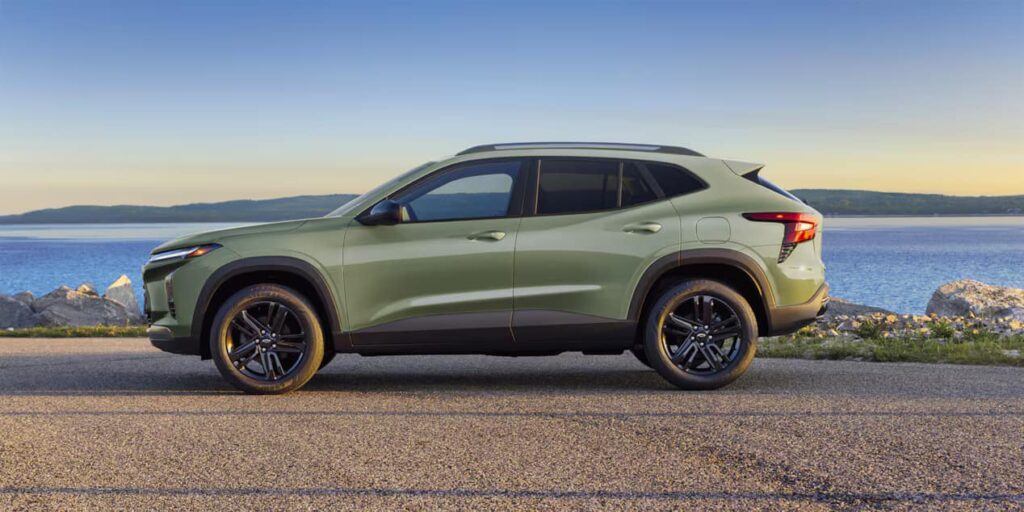
If you’re shopping for a Chevrolet in British Columbia and fuel costs are a priority, the 2026 lineup offers five standout options. From compact crossovers that sip fuel on the highway to fully electric models that eliminate gas station visits entirely, Chevrolet’s most efficient vehicles span a range of sizes and powertrains. Here’s how they stack up.
Fuel Economy Comparison: ICE vs Electric
| Model | Powertrain | City | Highway | Range/Combined |
| Trax | 1.2L Turbo I-3 | 8.5 L/100 km | 7.6 L/100 km | ~588 km per tank |
| Trailblazer | 1.3L Turbo | 9.1 L/100 km | 8.1 L/100 km | ~550 km per tank |
| Equinox | 1.5L Turbo I-4 | 9.1 L/100 km (FWD) | 8.1 L/100 km (FWD) | ~588 km per tank |
| Equinox EV | Electric (FWD) | – | – | 513 km per charge |
| Blazer EV | Electric (AWD) | – | – | 486-502 km per charge |
2026 Chevrolet Trax: The Fuel Economy Leader
The Trax takes the top spot for gasoline efficiency. Its 1.2L turbocharged three-cylinder produces 137 hp and 162 lb-ft of torque – enough for city driving and easy highway cruising – and returns 8.5 L/100 km city and 7.6 L/100 km highway. That’s competitive for a small crossover with 1,532 litres of cargo space behind the first row.
The Trax is front-wheel drive only, which helps keep weight down and efficiency up. With a 50-litre fuel tank, you can expect around 588 km of range on a single fill. If you’re commuting in the Lower Mainland or running errands around Pitt Meadows, the Trax delivers low running costs without sacrificing practicality.
2026 Chevrolet Trailblazer: Slightly Larger, Still Efficient
The Trailblazer slots just above the Trax in size and fuel consumption. Its 1.3L turbo engine delivers 9.1 L/100 km city and 8.1 L/100 km highway across all trims – LS, LT, RS, and ACTIV. Both FWD and AWD configurations share the same fuel economy figures, which is unusual in this segment. The RS and ACTIV trims are AWD-only, while the LS and LT are available in both FWD and AWD.
2026 Chevrolet Equinox: The Midsize Option
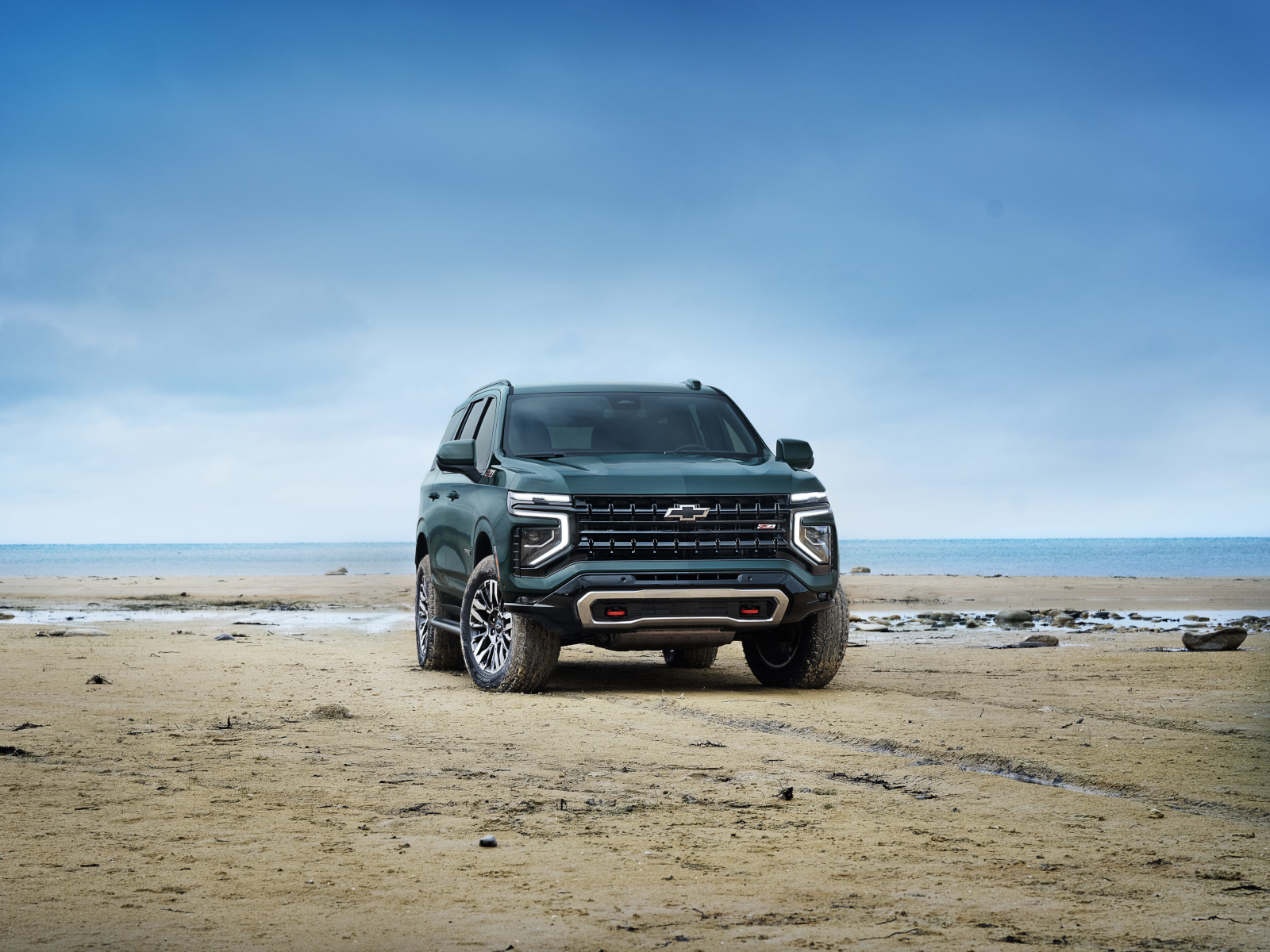
The Equinox sits in the middle of Chevrolet’s crossover lineup. Its 1.5L turbocharged four-cylinder produces 175 hp and 203 lb-ft of torque in AWD configurations (174 lb-ft in FWD). Fuel economy is 9.1 L/100 km city and 8.1 L/100 km highway for FWD models, with AWD versions consuming slightly more at 9.2 L/100 km combined.
The Equinox offers 1,620 litres of cargo space behind the first row and seats five. If you’re hauling gear for weekend trips to the Fraser Valley or need three-row-free family space, the Equinox balances size and efficiency better than most competitors in the segment.
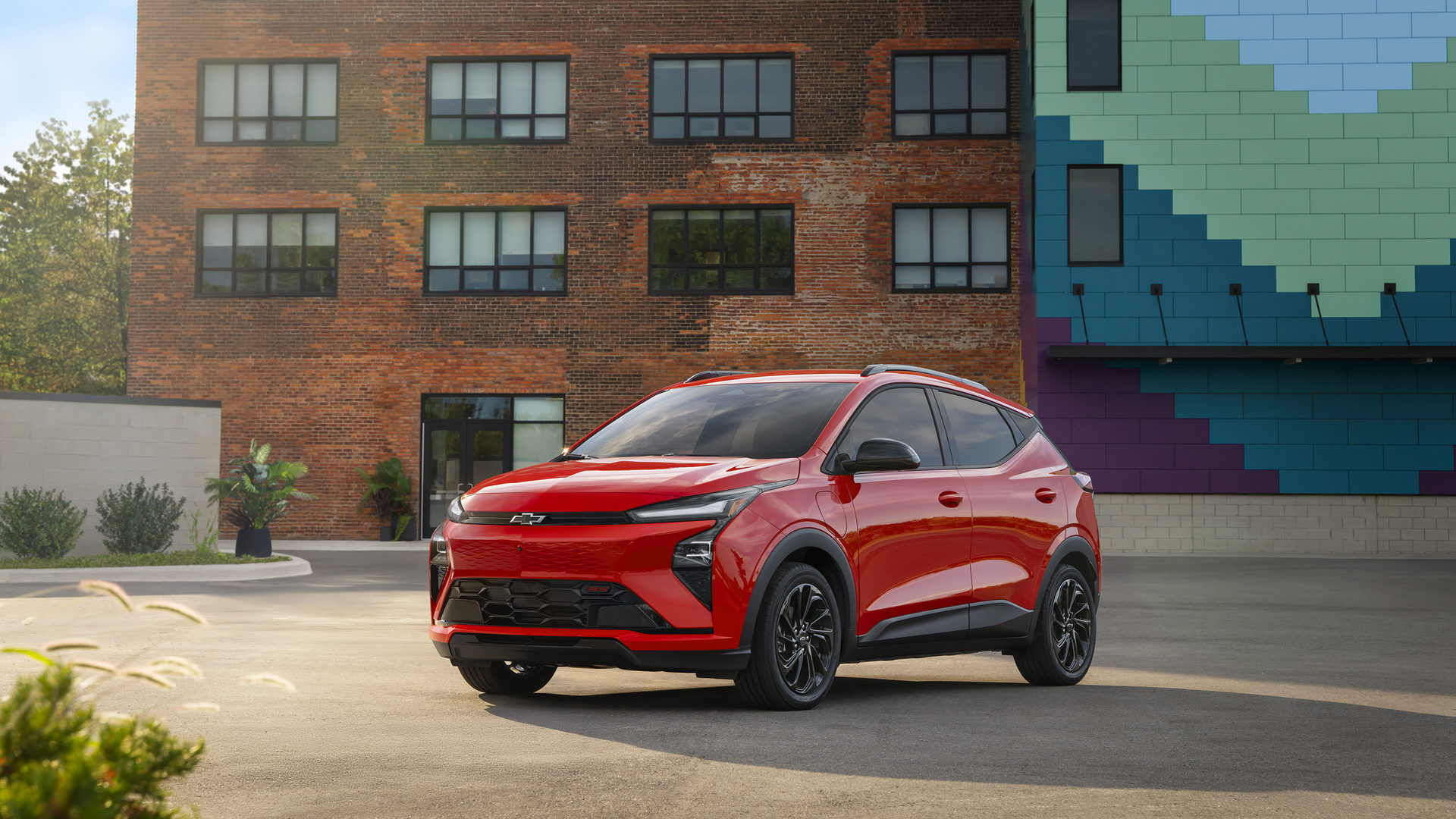
2026 Chevrolet Equinox EV: Zero Fuel, 513 km of Range
The Equinox EV eliminates fuel consumption entirely. The FWD version is rated at 513 km of range per charge, while AWD dual-motor configurations offer the same range with added traction for winter driving. Charging at home overnight on a Level 2 charger covers typical daily commuting needs, and DC fast charging adds range quickly on longer trips.
The Equinox EV shares the same 1,620-litre cargo capacity as the gasoline Equinox, and the electric powertrain delivers instant torque for confident highway merging. If you have access to home charging and rarely drive beyond the Lower Mainland in a single day, the Equinox EV cuts fuel costs to near zero.
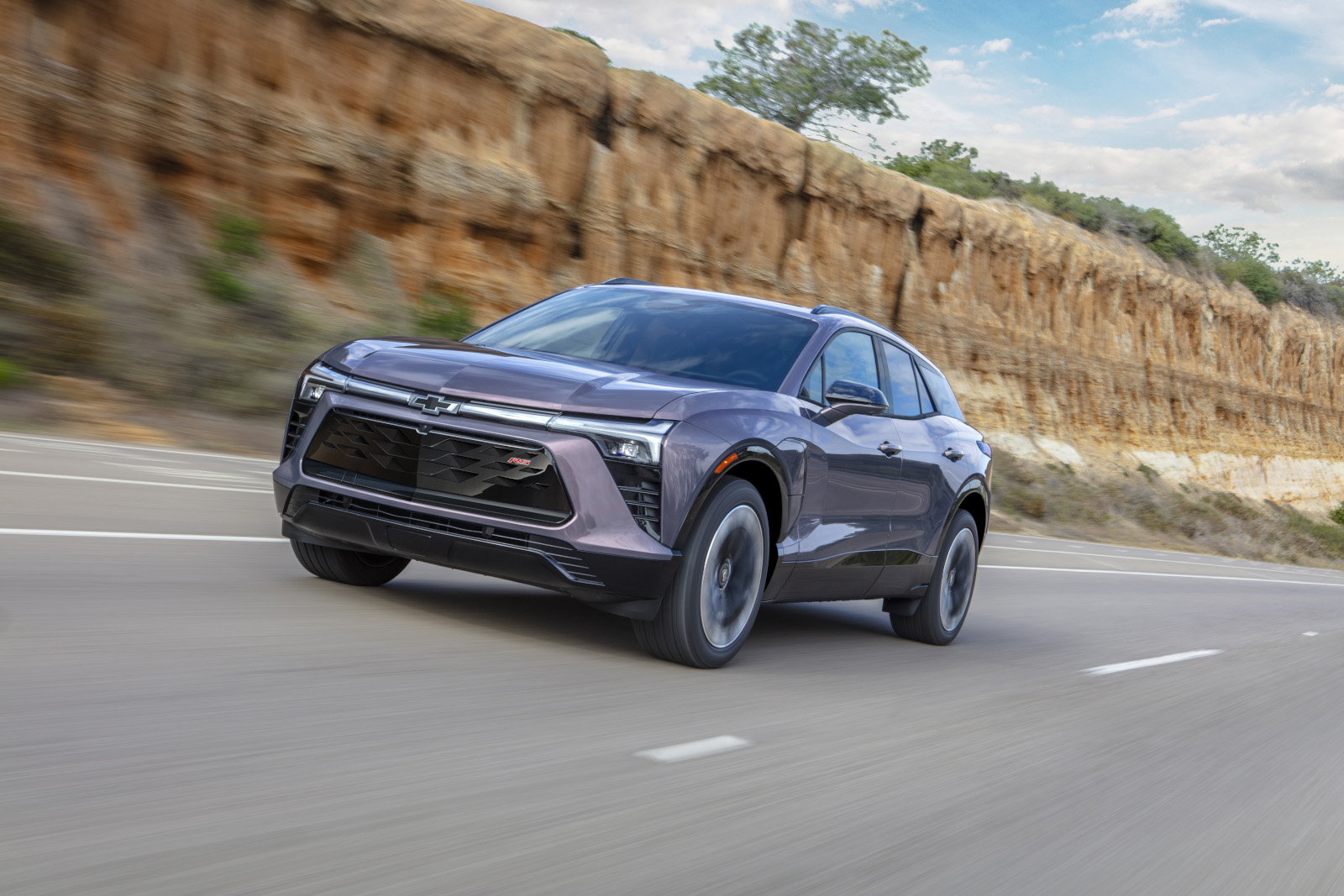
2026 Chevrolet Blazer EV: Performance and Efficiency
The Blazer EV is the largest and most powerful option on this list. The base LT and RS trims offer 486-502 km of range depending on configuration, while the SS performance model delivers 486 km. The Blazer EV’s dual-motor AWD system provides strong acceleration and all-weather traction, and the larger 1,674-litre cargo area makes it the most spacious choice here.
If you want electric efficiency without compromising on size or performance, the Blazer EV is the top-tier option. It’s built for buyers who need the space of a midsize crossover and the operating cost savings of an EV.
How Drivetrain Affects Efficiency
For the gasoline models, FWD configurations typically deliver slightly better fuel economy than AWD. The Trax is FWD-only, which helps it achieve the best numbers in the lineup. The Trailblazer’s fuel economy remains consistent across FWD and AWD, which is a rare advantage if you need all-wheel traction without the usual efficiency penalty.
The Equinox shows a small difference between FWD and AWD, with FWD models rated at 9.1 L/100 km city and 8.1 L/100 km highway. AWD versions consume slightly more, but the difference is minimal if you need the added traction for winter driving or gravel roads.
For the EVs, AWD adds weight and a second motor, which reduces range slightly. The Equinox EV offers 513 km in both FWD and AWD configurations, while the Blazer EV’s range varies from 486 to 502 km depending on trim and battery size.
Real-World Fuel Economy Expectations
Official fuel economy figures are tested under controlled conditions. Real-world results vary based on driving style, terrain, and weather. Highway driving at steady speeds typically delivers better efficiency than city driving with frequent stops. Cold weather reduces battery range for EVs and increases fuel consumption for gasoline engines as they take longer to warm up.
If you drive mostly on highways between Pitt Meadows and Vancouver, expect to meet or slightly exceed the highway figures. If your commute involves stop-and-go traffic on Lougheed Highway, city figures are more realistic. For EVs, winter range can drop by 20-30% in freezing temperatures, so plan charging stops accordingly on longer trips.
How to Get Better Fuel Economy
A few driving habits make a measurable difference:
- Smooth acceleration: Gradual throttle inputs reduce fuel consumption. Aggressive starts burn more fuel.
- Maintain steady speeds: Use cruise control on highways to avoid unnecessary speed fluctuations.
- Reduce idling: Turn off the engine if you’re stopped for more than 30 seconds. All these models have auto start-stop systems that do this automatically.
- Check tire pressure: Underinflated tires increase rolling resistance and reduce efficiency. Check monthly.
- Remove roof racks when not in use: Roof-mounted cargo carriers create drag and increase fuel consumption at highway speeds.
For EVs, preconditioning the cabin while plugged in keeps the battery warm and maximizes range. Regenerative braking also recovers energy during deceleration, which extends range in city driving.
If fuel economy is your top priority and you don’t need AWD, the Trax delivers the best numbers in the lineup. If you need slightly more space and want AWD without a fuel economy penalty, the Trailblazer is the better choice. The Equinox offers midsize practicality with competitive efficiency, and the Equinox EV eliminates fuel costs entirely if you have access to home charging.
The Blazer EV is the largest and most powerful option, built for buyers who want electric efficiency without compromising on space or performance. All five models offer strong value in their respective segments, and the right choice depends on your daily driving needs and charging access.
Visit Maple Ridge Chevrolet Buick GMC in Pitt Meadows to compare these models in person and find the most efficient Chevrolet for your driving habits.