
BC’s October 1 Winter Tire Rules for Sea-to-Sky and Coquihalla Drivers
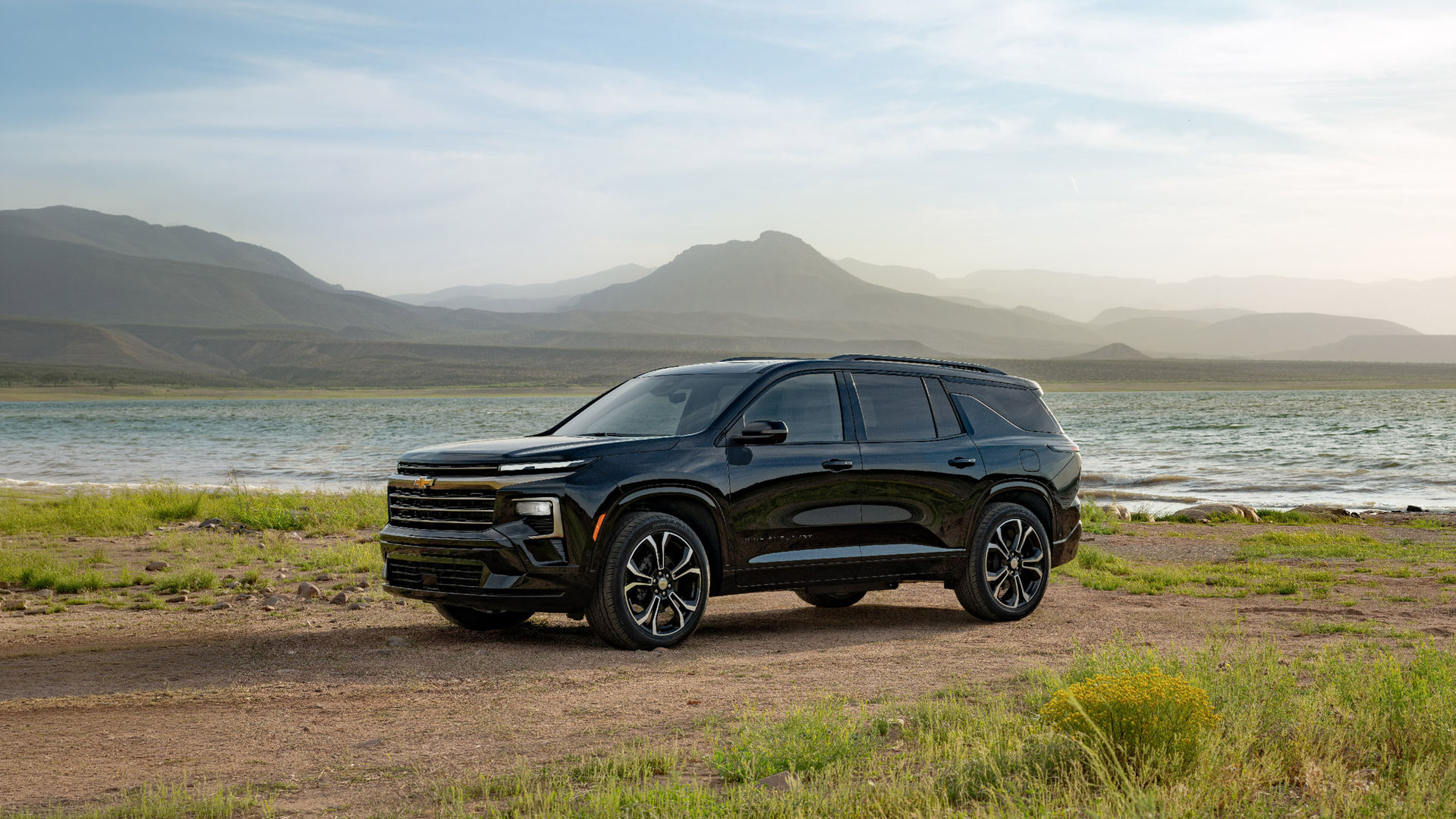
A ski weekend up Highway 99. A family drive over the Coquihalla to see relatives in the Interior. For many Lower Mainland drivers, winter is the season of mountain road trips, and every one of those trips now starts with a quick look at your tires. BC’s winter tire rules took effect on October 1, […]
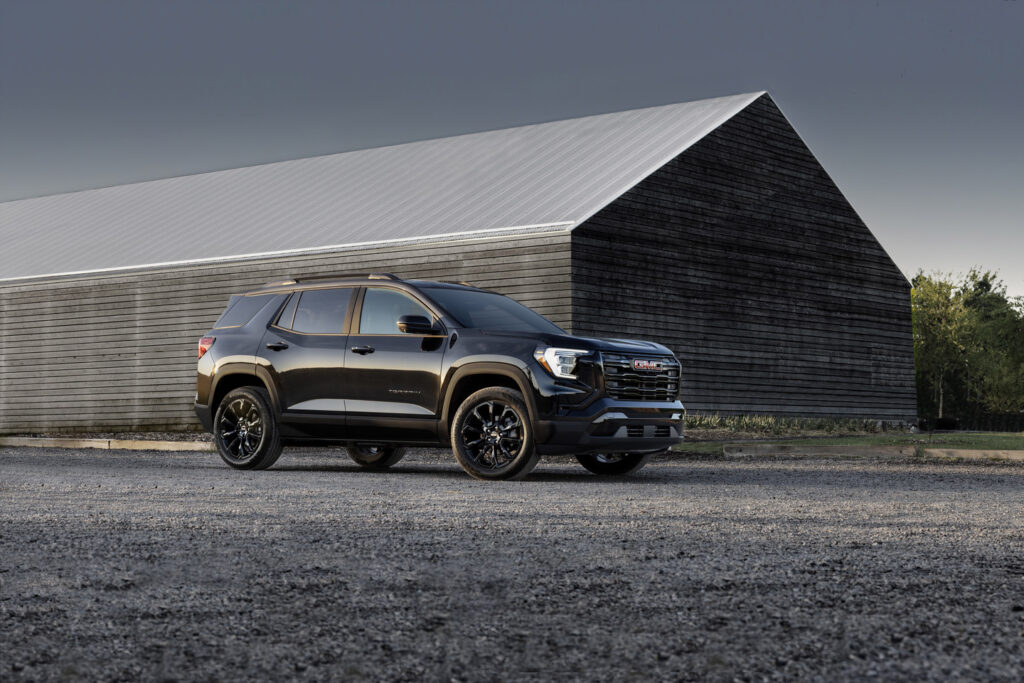
A ski weekend up Highway 99. A family drive over the Coquihalla to see relatives in the Interior. For many Lower Mainland drivers, winter is the season of mountain road trips, and every one of those trips now starts with a quick look at your tires.
BC’s winter tire rules took effect on October 1, 2026, and both the Sea to Sky corridor and the Coquihalla are designated routes. If your commute stays in the valley, the rules may be new to you. Here is how to plan for the mountains before you pack the car.
The Valley Is Exempt, the Mountains Are Not
Many highways in the Lower Mainland are exempt from the winter tire rules. Rain is far more common than snow on most valley roads, so drivers who stay close to home often run the same tires year-round.
Mountain routes are a different story. The Sea to Sky corridor climbs toward high country, and the Coquihalla crosses a high mountain pass. Snow and ice can build up there while the valley floor stays wet. That is why both routes are designated.
The trigger is the calendar and the regulatory signs along the road, not the forecast. Once you pass a sign on a designated route, the rule applies, even on a clear, dry afternoon.
Which Tires Pass the Test
On a designated route, a passenger vehicle needs tires marked with either the three-peak mountain and snowflake symbol or M+S (mud and snow). Each tire also needs at least 3.5 mm of tread and must be in good condition.
Mountain drivers often ask if all-weather tires count. They do. All-weather tires carry the three-peak mountain and snowflake symbol, so they qualify on Highway 99 and the Coquihalla.
Winter Tires or All-Weather Tires for Mountain Trips?
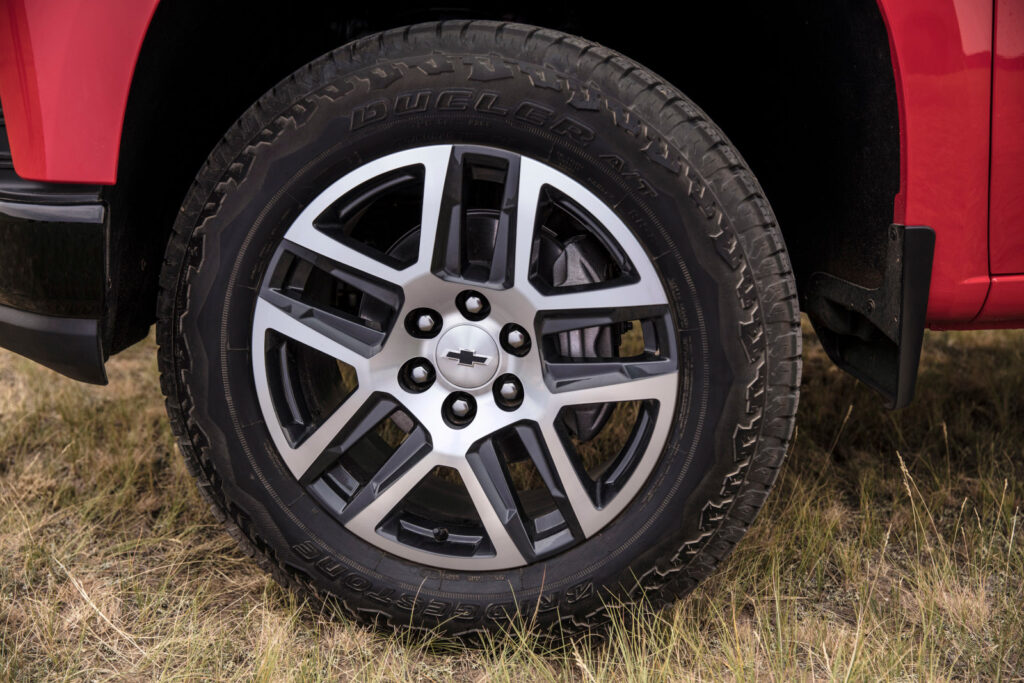
Both tire types qualify, so the choice comes down to how often you head into the mountains and how you use your vehicle the rest of the year.
- All-weather tires are designed to stay on all year. They suit valley drivers who head up Highway 99 or over the Coquihalla now and then and want one set of tires.
- Dedicated winter tires are built for cold, snow and ice. Their rubber stays flexible in the cold and their tread has extra biting edges. They suit frequent mountain drivers, and they come off in the spring.
Winter tires perform best once temperatures stay around 7°C or colder, which is common at elevation through the winter months. Either way, install four matching tires, never just two.
Mark April 30 on Your Calendar
Most designated routes, including mountain routes, stay in effect until April 30, 2027. Some routes that do not cross mountain passes or high-snowfall areas end earlier, on March 31, 2027.
For spring ski trips and Easter getaways, that difference matters. A valley road may be clear of the rules in April while the Coquihalla or Sea to Sky still requires winter-rated tires. When in doubt, check the posted signs on your route.
What Happens If Your Tires Fall Short
A passenger vehicle without proper tires on a designated route can be fined $121. Drivers may also be turned around, which can end a weekend getaway before it begins.
All-wheel drive does not exempt you. AWD helps a vehicle get moving, but it does not help it stop or turn. Your tires do that work, and on a steep, snowy grade they matter most.
Commercial vehicles have separate chain-carrying rules, so anyone driving a work vehicle into the mountains should check what applies to them.
Plan Your Trip Before You Leave the Valley

A little planning at home saves stress on the highway. Before your next mountain getaway, run through this list:
- Check every sidewall for the three-peak mountain and snowflake symbol or M+S.
- Measure tread depth to confirm at least 3.5 mm on all four tires.
- Look for cuts, bulges or uneven wear.
- Set tire pressure with cold tires, using the driver’s door jamb placard.
- Confirm all four tires are a matching set.
Cold air lowers tire pressure. A tire that is set correctly down in the valley can drop as you climb into colder air, so check pressure monthly and before long trips.
At a Glance
| What to Know | Details |
| Rules began | October 1, 2026 |
| Designated mountain routes | Sea to Sky (Highway 99) and the Coquihalla |
| Mountain route end date | April 30, 2027; check posted signs |
| Qualifying tires | Three-peak mountain and snowflake, or M+S |
| All-weather tires | Qualify, since they carry the snowflake symbol |
| Minimum tread | 3.5 mm |
| Fine | $121 for a passenger vehicle |
Gear Up for Mountain Season at Maple Ridge Chevrolet Buick GMC
Planning a trip up the Sea to Sky or over the Coquihalla this winter? The service team at Maple Ridge Chevrolet Buick GMC in Pitt Meadows can check your tires and help you pick a set for your Chevrolet, Buick or GMC. Book a visit before your next getaway.