

Choosing Between the 2026 GMC Yukon and Yukon XL
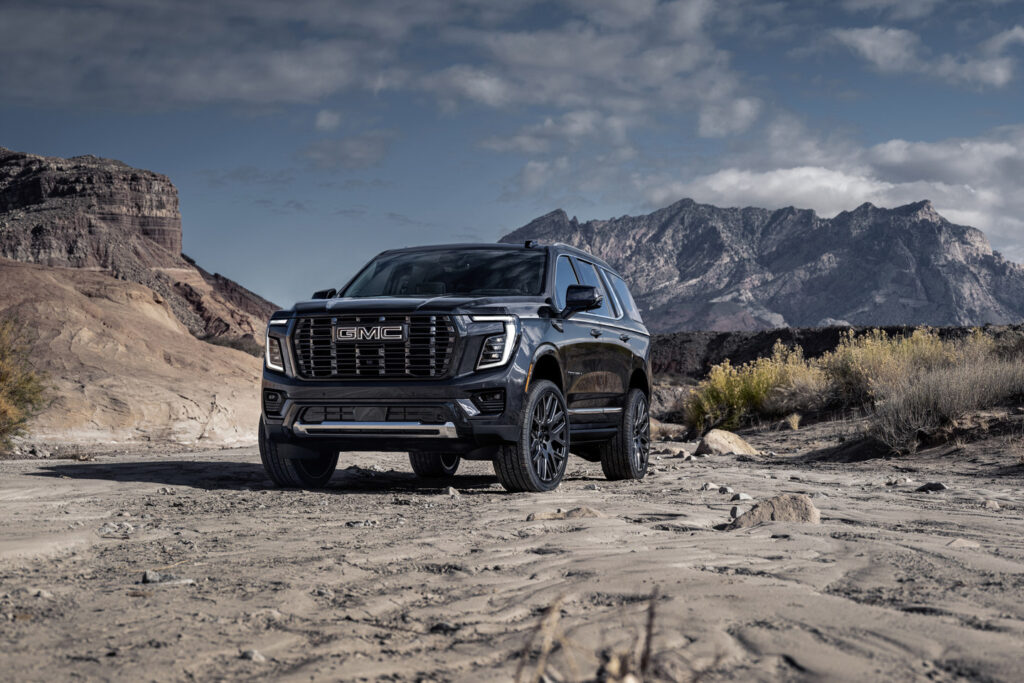
The 2026 GMC Yukon lineup offers two distinct full-size SUV configurations designed to meet different family needs. While both models share the same premium features, advanced technology, and powerful capability, the choice between the standard Yukon and extended Yukon XL comes down to how you plan to use your vehicle. Understanding the key differences in size, cargo capacity, and maneuverability helps you select the right configuration for your lifestyle.
Both models feature five trim levels – Elevation, AT4, Denali, AT4 top, and Denali top – ensuring you can find the ideal balance of capability and luxury regardless of which wheelbase you choose. British Columbia families shopping for a full-size SUV will find both configurations deliver the space, technology, and versatility GMC is known for.
Size and Dimensions: The Foundation of Your Decision
The most significant difference between these two SUVs lies in their physical dimensions. The standard Yukon measures 5,337 mm in length (5,347 mm for AT4 and AT4 top trims), while the Yukon XL extends to 5,720 mm for most trims and 5,729 mm for AT4 variants. This 383 mm difference in overall length translates directly to interior space and cargo versatility.
The wheelbase tells an equally important story. The Yukon rides on a 3,071 mm wheelbase, while the XL stretches to 3,407 mm – a 336 mm increase that creates substantially more third-row legroom and cargo space behind the rear seats. Both models share identical width measurements at 2,058 mm without mirrors, meaning they occupy the same garage footprint side-to-side.
Height varies slightly depending on trim level. Elevation models stand at 1,945 mm for the Yukon and 1,943 mm for the XL. AT4 and AT4 top trims measure 1,939 mm and 1,934 mm respectively, while Denali configurations range from 1,933 mm to 1,941 mm depending on specific options and drivetrain.
Cargo Capacity: Where the XL Truly Shines
Cargo volume offers the most practical difference between these two SUVs. The standard Yukon offers 3,480 litres of maximum cargo space with the rear seats folded flat – already generous for a full-size SUV. The Yukon XL, however, expands this to 4,097 litres, providing an additional 617 litres for camping gear, sports equipment, or luggage on extended road trips.
This difference becomes particularly relevant for families who regularly travel with all three rows occupied. When you need to carry passengers and cargo simultaneously, the XL’s extended body provides significantly more flexibility. Weekend getaways, hockey tournaments, and cross-province road trips become easier to manage when you don’t have to choose between passengers and their belongings.
Both models feature the same advanced cargo management systems, including the AutoSense Power Liftgate (standard on AT4 and above) and thoughtful storage solutions throughout the cabin. The difference lies purely in the available volume behind the third row and with seats folded.
Maneuverability and Daily Driving
The standard Yukon’s shorter wheelbase translates to a more agile driving experience in urban environments. With a turning circle of 12.0 metres on 20-inch and 22-inch wheels (12.4 metres on 24-inch wheels), the Yukon navigates parking lots and tight streets with relative ease for a vehicle of its size. The XL requires slightly more space, with turning circles of 13.2 metres and 13.6 metres respectively.
This difference matters most in daily driving scenarios – parking at shopping centres, navigating residential streets, or maneuvering in tight spaces. Drivers in British Columbia who frequently navigate urban areas may find the standard Yukon’s compact footprint advantageous, while those who primarily drive highway routes or have ample parking space will barely notice the XL’s extended dimensions.
Both models feature the same electric power-assisted rack-and-pinion steering system, independent suspension with available four-corner air control and Magnetic Ride Control, and identical track widths (1,737 mm front, 1,730 mm rear). The driving experience remains remarkably similar between the two, with the primary difference being spatial awareness when parking or making tight turns.
Towing Capability and Weight
Despite its larger size, the Yukon XL actually has a slightly lower maximum trailering capacity. The standard Yukon can tow up to 3,810 kg (8,400 lb), while the XL is rated for 3,719 kg (8,200 lb). This 91 kg difference reflects the XL’s additional curb weight – the base Yukon weighs 2,541 kg (5,602 lb) compared to the XL’s 2,595 kg (5,772 lb).
For most recreational towing needs – travel trailers, boat trailers, or equipment haulers – both configurations provide more than adequate capability. The difference becomes relevant only when towing at the absolute maximum capacity. Families planning to tow large travel trailers or heavy equipment should consider this specification alongside their typical load requirements.
Both models feature the same robust braking system with four-wheel disc brakes, ABS, and vented Duralife rotors measuring 343 x 30.4 mm in front and 345 x 20.0 mm in the rear. This ensures confident stopping power whether you’re towing or carrying a full passenger load.
Interior Space and Comfort
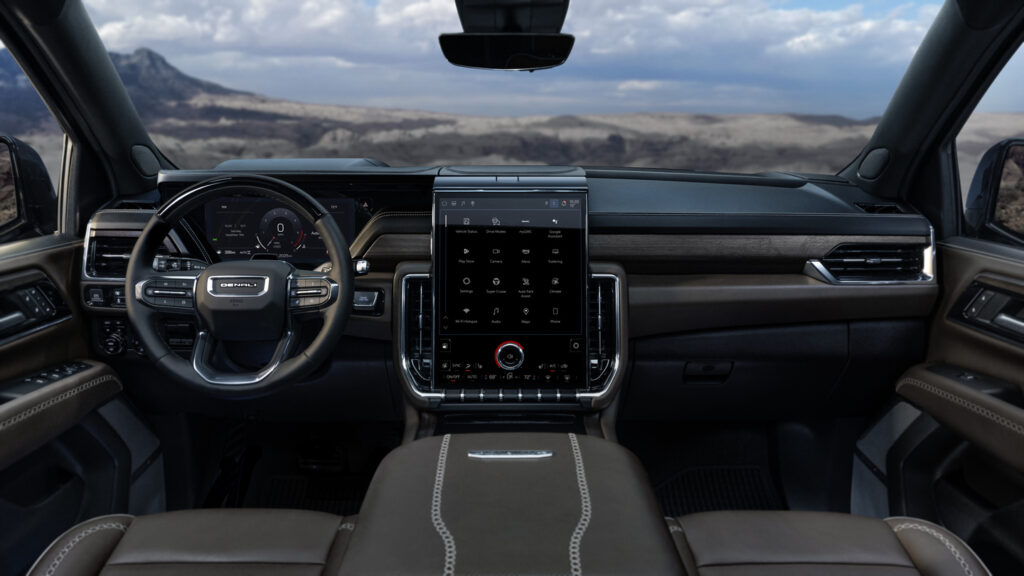
While both models seat up to eight passengers across three rows, the XL provides noticeably more third-row comfort. The 336 mm wheelbase extension primarily benefits rear passengers, creating a more spacious environment for adults on longer journeys. The XL’s extended wheelbase delivers increased third-row legroom compared to the standard Yukon, creating a more open feeling for rear passengers.
Front and second-row dimensions are identical across both configurations. Front passengers enjoy 1,074 mm of headroom in Elevation, AT4, and Denali trims (1,026 mm in top trims) with 1,130 mm of legroom. Second-row occupants have 988 mm of headroom (952 mm in top trims) and 1,067 mm of legroom, ensuring comfort for adults regardless of which model you choose.
Both configurations offer the same premium technology features, including the 16.8-inch Advanced LCD Display with Google built-in, 11-inch Driver Information Centre, and available 15-inch Head-Up Display. The Rear Seat Media System becomes standard on top trims, while 5G Wi-Fi Hotspot capability is standard across all trim levels.
Exterior Features and Style
Visual differences between the models are subtle but present. Both feature LED headlamps and tail lamps with animated lighting, available panoramic power sunroof, and power-retractable assist steps with LED lighting (standard on top trims). The extended body of the XL creates a more stretched profile, while the standard Yukon presents a slightly more compact, athletic stance.
Wheel options remain identical across both models: 20-inch aluminum wheels come standard on most trims, with 22-inch wheels available on Elevation, Denali, and Denali top, and 24-inch wheels standard on Denali top. Tire sizes correspond to wheel selection – 275/60R20, 275/50R22, or 285/40R24 – ensuring you can achieve your desired appearance regardless of wheelbase.
The AT4 and AT4 top trims feature slightly different front-end styling to accommodate their off-road-focused design, but this distinction applies equally to both Yukon and Yukon XL configurations. Your choice between standard and extended length doesn’t limit your trim level options or exterior customization.
Which Configuration is Right for You?
The decision between Yukon and Yukon XL depends on your specific needs and priorities. Choose the standard Yukon if you value easier maneuverability in urban environments, have a smaller garage, or don’t regularly need maximum cargo capacity. Its 3,480-litre cargo volume handles most family needs while offering a more compact footprint for daily driving.
Select the Yukon XL if you frequently travel with all three rows occupied and need cargo space simultaneously, regularly transport large items, or simply want the maximum interior volume available. The additional 617 litres of cargo space and enhanced third-row comfort justify the slightly larger turning radius for many families.
Both models deliver the same premium technology, safety features, and GMC build quality. Your choice comes down to whether the XL’s additional space justifies its slightly larger footprint and marginally lower towing capacity for your specific use case.
Experience Both Configurations at Maple Ridge Chevrolet Buick GMC
The best way to determine which Yukon configuration suits your needs is to experience both in person. Visit Maple Ridge Chevrolet Buick GMC to explore the complete 2026 GMC Yukon lineup and explore which wheelbase fits your lifestyle.